
Some stops are planned. This one started with a film.
After coming back from Jaipur, I watched Goliyon Ki Raasleela Ram-Leela, the 2013 Bollywood film. Something about it stayed with me, and I got curious in a way I had not planned for: I wanted to visit a mandir and follow the same steps myself. And a scene from that film was shot right here at Sambhar, which made this stop feel like it was meant to happen.
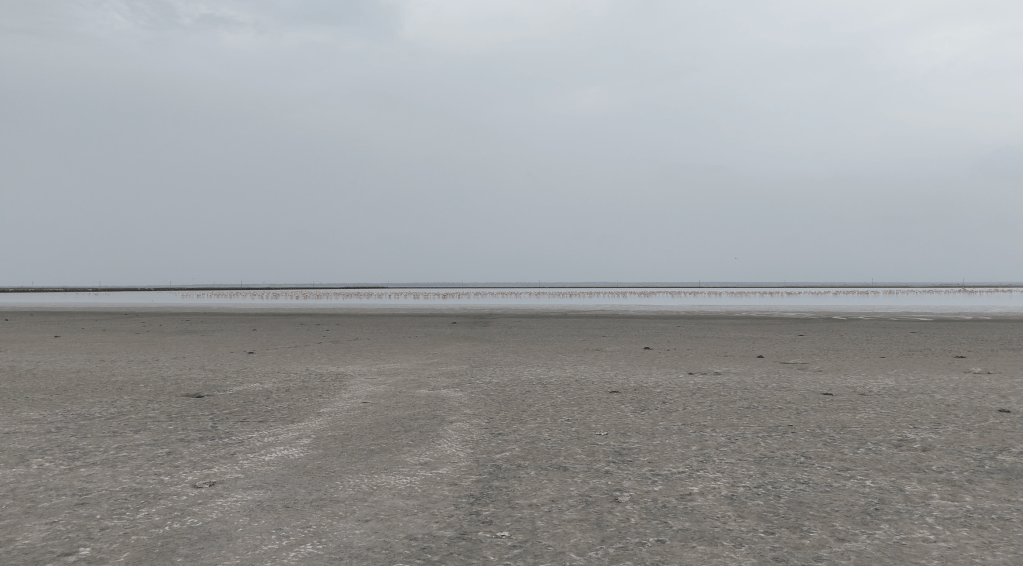
Sambhar Lake was a stop on my Rajasthan journey between Jaipur and Jodhpur. Known as India’s largest inland salt lake, Sambhar offers a unique landscape of salt flats, seasonal wetlands and open horizons.
About Sambhar Lake
Sambhar Lake is famous for its traditional salt production. The lake’s saline water evaporates under the Rajasthan sun, leaving salt that has supported local livelihoods for generations.
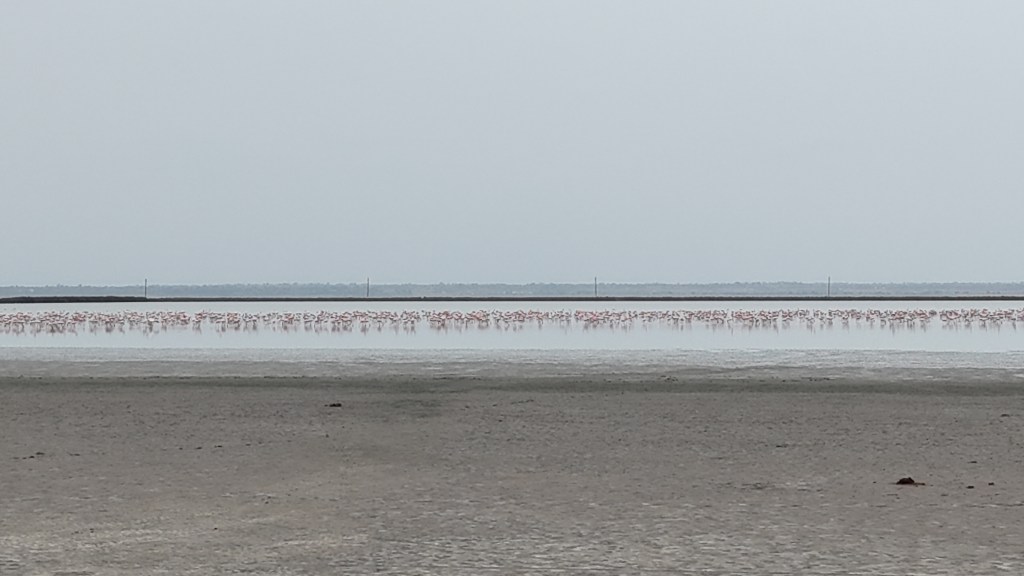
It is also an important wetland for migratory birds, including flamingos when seasonal conditions are suitable. The landscape changes throughout the year, making every visit a little different.
Shakambhari Mata Temple
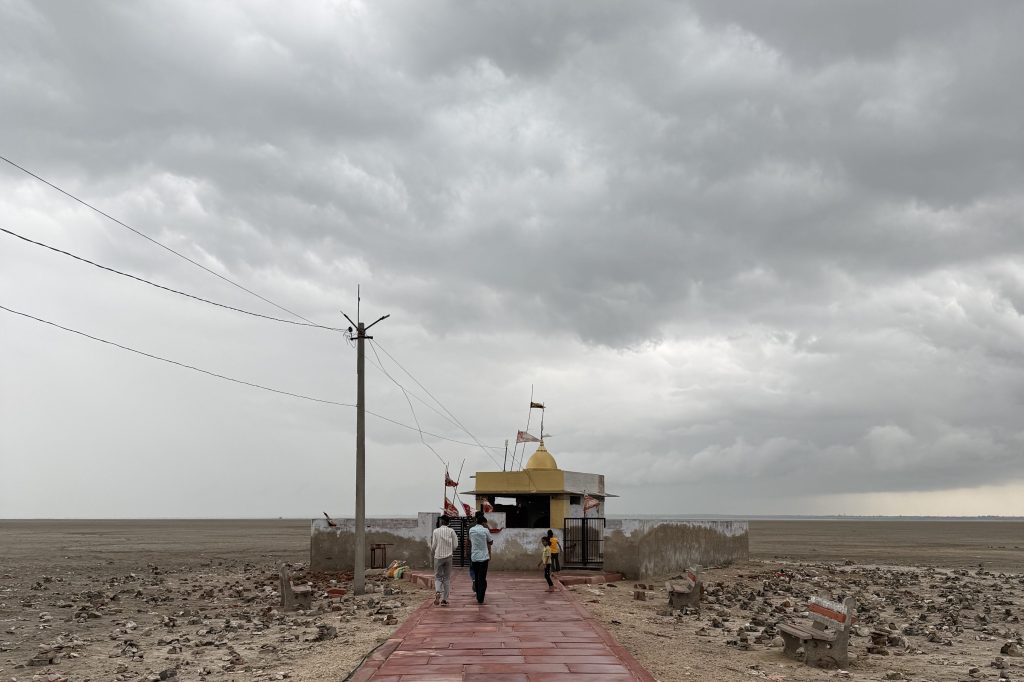
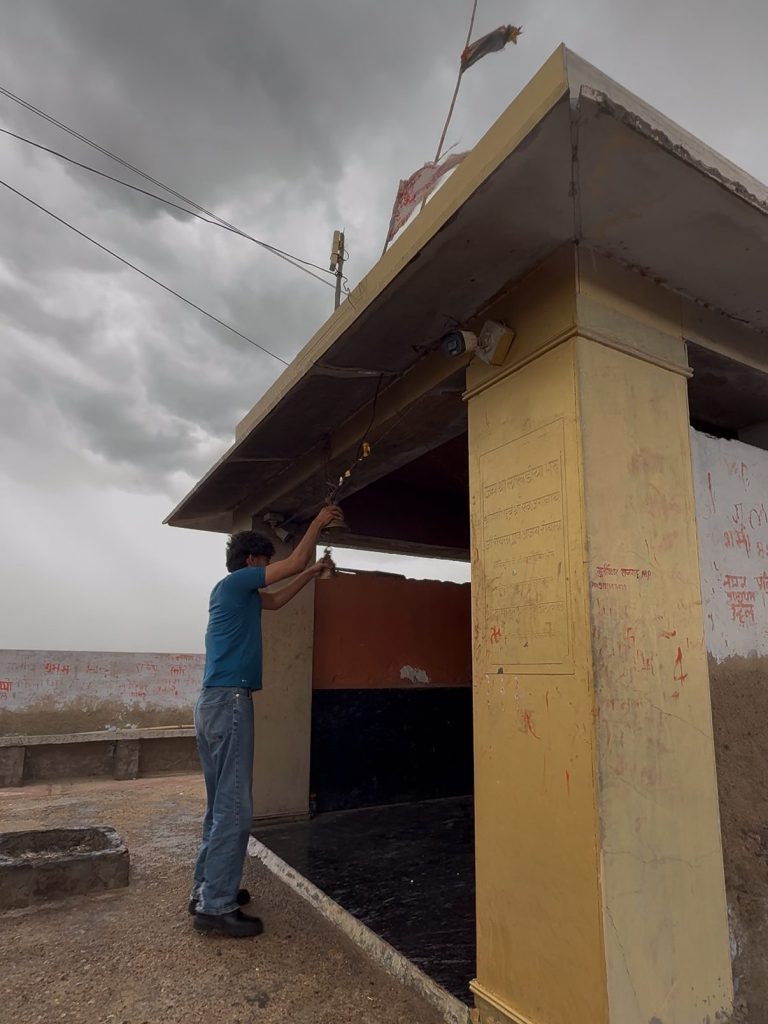
This is where the curiosity from Ram-Leela led me. I walked in and followed the same steps I had watched, quietly and one after another, the way devotees do. It turned the visit from sightseeing into something more personal.
A visit to the Shakambhari Mata Temple near Sambhar Lake adds a spiritual and cultural dimension to the journey. Dedicated to Goddess Shakambhari, a form of the Hindu Goddess Durga, the temple is associated with local religious traditions and attracts devotees seeking blessings.
The temple offers an opportunity to experience the region beyond its natural landscape and learn about the faith and traditions that are part of Rajasthan’s cultural heritage.
Sambhar From Above
I also took my drone up at Sambhar, and the open landscape looks completely different from above. Salt, sky and horizon stretch out in a way that is hard to feel from the ground.
Travel Tips
- Visit during the cooler months for more comfortable sightseeing.
- Carry water and sun protection, as the area can be exposed.
- Check local access conditions before exploring the salt flats.
- Respect temple customs and avoid disturbing birds or their habitats.
- If you fly a drone, check the local rules and permissions first.
Final Thoughts
Sambhar Lake offered a different perspective on Rajasthan, away from its grand forts and palaces. From the region’s salt-producing heritage and seasonal birdlife to the spiritual significance of Shakambhari Mata Temple, this stop added a memorable dimension to my journey from Jaipur towards Jodhpur.
I came for a lake and left with a story I had not expected to write. But the road was still moving, and the next city was waiting, painted blue.
Next: Jodhpur, the Blue City, for my third night.


Leave a Reply